


Smart Braces and Beyond: The Tech Evolution in Orthodontics
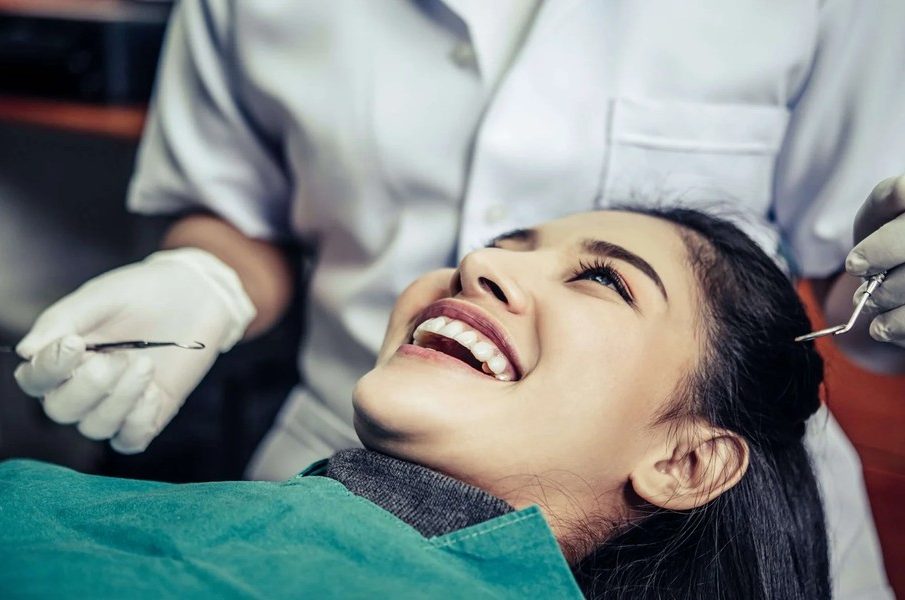
The orthodontic landscape has undergone a seismic shift, moving from the rigid “metal mouth” era into a sophisticated digital age where precision meets patient convenience. In 2026, the integration of high-level computing, biocompatible materials, and remote monitoring has transformed what was once a multi-year ordeal into a streamlined, data-driven journey. While the fundamentals of biomechanics remain, the tools used to apply them are now smarter, faster, and more adaptable than ever before.
The Rise of Artificial Intelligence in Smile Design
The most significant leap in modern orthodontics is the implementation of Artificial Intelligence (AI) to remove human error from the diagnostic phase. Traditional methods relied heavily on physical silicone moulds and two-dimensional X-rays, which often left room for interpretation. Today, high-resolution intraoral scanners create a perfect digital twin of a patient’s mouth within minutes.
AI algorithms then analyse this data, comparing it against millions of successful case studies to predict how bone and tissue will respond to specific forces. This predictive modelling allows clinicians to foresee potential roadblocks-such as stubborn roots or narrow arches-before the first bracket is even bonded. By simulating the entire biological movement of the teeth in a virtual environment, practitioners can ensure that the final result is not just aesthetically pleasing but also functionally stable for the long term.
Tele-orthodontics and Remote Monitoring
For a nation as geographically vast as Australia, one of the greatest barriers to specialist care has always been distance. Historically, patients in the outback or regional hubs faced significant travel times for routine check-ups. However, the emergence of smart monitoring tools has bridged this gap. Using specialized smartphone attachments and secure apps, patients can now perform “virtual check-ins” from home.
These systems use AI to scan the images for tracking progress and detecting issues like broken wires or poor aligner fit. If everything is moving as planned, the patient avoids a three-hour drive for a five-minute appointment. This shift is a cornerstone of how rural access to orthodontics improving dental equality in Australia is becoming a reality. It empowers regional families to access the same high-standard care as those in metropolitan centres, ensuring that a person’s postcode no longer dictates the quality of their smile.
Smart Braces and 3D-Printed Hardware
While clear aligners often dominate the tech conversation, traditional “fixed” braces have also received a high-tech makeover. We are now seeing the rise of smart braces equipped with micro-sensors that can measure the actual pressure being applied to each tooth in real-time. This allows for “active” treatment where the hardware can alert the orthodontist if the force is too low to be effective or too high, which could risk root damage.
Furthermore, 3D printing has revolutionized customisation. Instead of using mass-produced brackets, many clinics now utilize fully bespoke, 3D-printed brackets and robotically bent “smart wires.” These components are engineered to fit the unique anatomy of each individual tooth surface. Because the hardware is tailored specifically to the patient, the “tripping” and “re-levelling” phases of treatment are significantly reduced, often cutting total treatment time by 30% or more.
Biological Acceleration and Material Science
Beyond the hardware, the “Beyond” in orthodontic tech involves biological stimulation. New devices using high-frequency vibrations or near-infrared light therapy are being used to stimulate bone remodelling at a cellular level. When used for just a few minutes a day, these non-invasive tools can speed up the rate at which teeth move through the jawbone, further reducing the time spent in braces.
Material science has also introduced “shape-memory” alloys. These wires, made from nickel-titanium, are programmed at a molecular level to return to a specific shape when triggered by the heat of the patient’s mouth. This provides a constant, gentle force that is much more comfortable than the heavy-pressure stainless steel wires of the past. The result is less soreness after adjustments and a more predictable path toward the finish line.
Integrating Artistry with Digital Precision
The ultimate goal of these technological advancements is to harmonise the clinical necessity of a healthy bite with the artistic desire for a beautiful smile. Digital workflows allow for “backwards planning,” where the orthodontist starts with the ideal end result and works the mechanics in reverse. This level of digital dentistry guarantees that the final smile aligns perfectly with the initial design, providing patients with a level of certainty that was previously impossible. As we move deeper into 2026, the synergy between human expertise and machine precision continues to redefine the standard of care, making the journey to a perfect smile as seamless as the destination itself.


