


Polycystic Ovary Syndrome (PCOS): Pathophysiology and Nutritional Management.
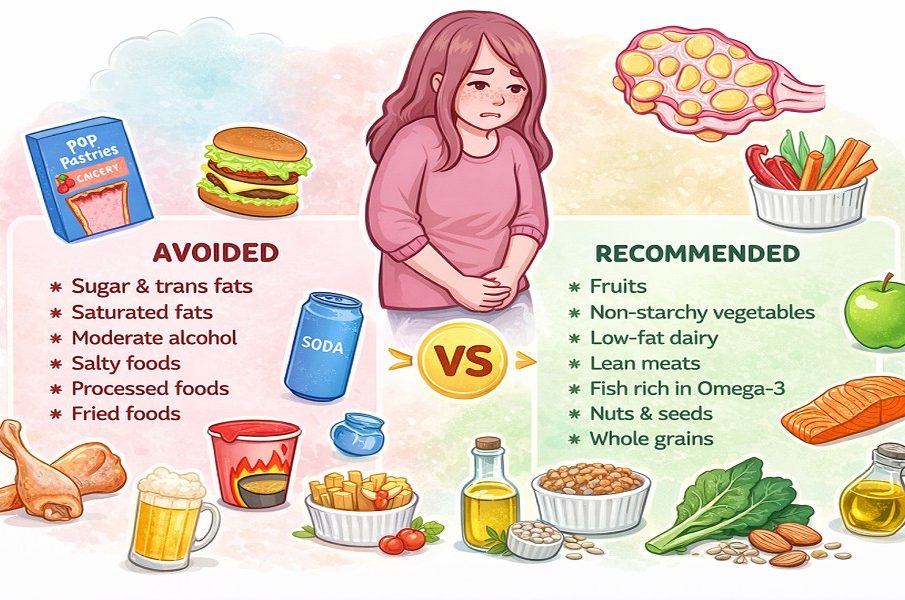
Polycystic Ovary Syndrome (PCOS) is one of the most common yet misunderstood hormonal disorders, affecting an estimated 10% to 13% of women of reproductive age globally. While it is a leading cause of infertility and irregular periods, its impact extends far beyond the reproductive system, influencing metabolism, skin health, and long-term cardiovascular wellness.
For those navigating this condition, understanding the complex interplay between genetics and lifestyle is the first step toward effective management. By addressing the root PCOS causes and implementing a scientifically-backed PCOS diet plan, women can significantly reduce symptoms and improve their quality of life.
The Biological Puzzle: Common PCOS Causes
Despite its prevalence, the medical community still considers the exact “trigger” of PCOS to be unknown. However, research consistently points to a combination of four primary factors that drive the syndrome’s development.
1. Insulin Resistance: The Metabolic Driver
Up to 80% of women with PCOS suffer from insulin resistance. This occurs when the body’s cells do not respond effectively to insulin, causing the pancreas to pump out even more of the hormone to keep blood sugar stable.
- The Androgen Connection: High levels of insulin act directly on the ovaries, stimulating them to produce excess androgens (male-type hormones like testosterone). This hormonal surge is what disrupts the menstrual cycle and causes acne or unwanted hair growth.
2. Hormonal Imbalances
The primary characteristic of PCOS is an imbalance in reproductive hormones. In addition to high androgens, many women experience:
- Elevated Luteinizing Hormone (LH): This stimulates ovulation but, when too high, can actually prevent the ovaries from releasing an egg.
- Low Progesterone: Insufficient levels can lead to irregular or heavy periods.
3. Chronic Low-Grade Inflammation
Women with PCOS often show elevated markers of inflammation (such as C-reactive protein). This “low-grade” inflammation is thought to stimulate polycystic ovaries to produce androgens, further fueling the cycle of hormonal disruption.
4. Genetics and Epigenetics
If your mother or sister has PCOS, your risk is significantly higher. Emerging research into “in utero programming” suggests that a person’s hormonal environment before they are even born may play a role in their likelihood of developing the condition later in life.
Managing Symptoms: The Ultimate PCOS Diet Plan
While there is currently no cure for PCOS, nutrition is the most powerful tool for management. A well-structured diet aims to lower insulin levels, reduce inflammation, and support hormone metabolism.
Core Principles of a PCOS-Friendly Diet
1. Prioritize Low Glycemic Index (GI) Carbohydrates
The goal is to prevent blood sugar “spikes” that trigger insulin release.
- Choose: Whole grains (quinoa, oats, brown rice), sweet potatoes, legumes, and non-starchy vegetables.
- Avoid: Refined white bread, sugary cereals, white pasta, and pastries.
2. Lean Protein with Every Meal
Protein slows down the absorption of carbohydrates and keeps you full, which helps manage the intense “sugar cravings” common in PCOS.
- Best Sources: Skinless chicken, fatty fish (salmon/sardines for Omega-3s), eggs, tofu, and Greek yogurt.
3. Healthy Fats for Hormonal Health
Fat is the backbone of hormone production. Omega-3 fatty acids, in particular, are vital for reducing the systemic inflammation seen in PCOS.
- Include: Avocados, olive oil, walnuts, chia seeds, and flaxseeds.
4. High-Fiber Intake
Fiber helps remove excess estrogen from the body and improves gut health, which is often compromised in women with PCOS. Aim for at least 25-30 grams of fiber per day from leafy greens, broccoli, berries, and seeds.
Sample 7-Day PCOS Diet Strategy
A successful PCOS diet plan is not about deprivation; it is about balance. Focus on eating every 3 to 5 hours to keep blood sugar stable.
|
Meal |
Food Options |
Why it works |
|
Breakfast |
Vegetable omelet with spinach and mushrooms OR overnight oats with berries and chia seeds. |
High protein and fiber start the day with stable insulin levels. |
|
Mid-Morning Snack |
An apple with a handful of almonds or a small bowl of Greek yogurt. |
Combines fiber/fruit with protein/fats for sustained energy. |
|
Lunch |
Grilled chicken or chickpeas over a large Mediterranean salad with olive oil dressing. |
Loaded with anti-inflammatory antioxidants and healthy fats. |
|
Evening Snack |
Hummus with carrot sticks or a cup of spearmint tea (known to help lower androgens). |
Spearmint tea is a functional addition for PCOS hormonal balance. |
|
Dinner |
Baked salmon or tofu with a side of roasted broccoli and a small portion of quinoa. |
Rich in Omega-3s and low-GI complex carbohydrates. |
Essential Lifestyle Additions
While diet is the foundation, a holistic approach yields the best results:
- Strength Training: Building muscle improves insulin sensitivity more effectively than cardio alone. Aim for two sessions per week.
- Quality Sleep: Lack of sleep increases cortisol, which can worsen insulin resistance. Aim for 7-8 hours of consistent rest.
- Stress Management: High stress levels trigger the adrenal glands to produce more androgens. Incorporating yoga or meditation can have a direct impact on your hormonal profile.


