


All-On-4 Plus Technology: How Advanced Implant Systems Are Transforming Oral Care
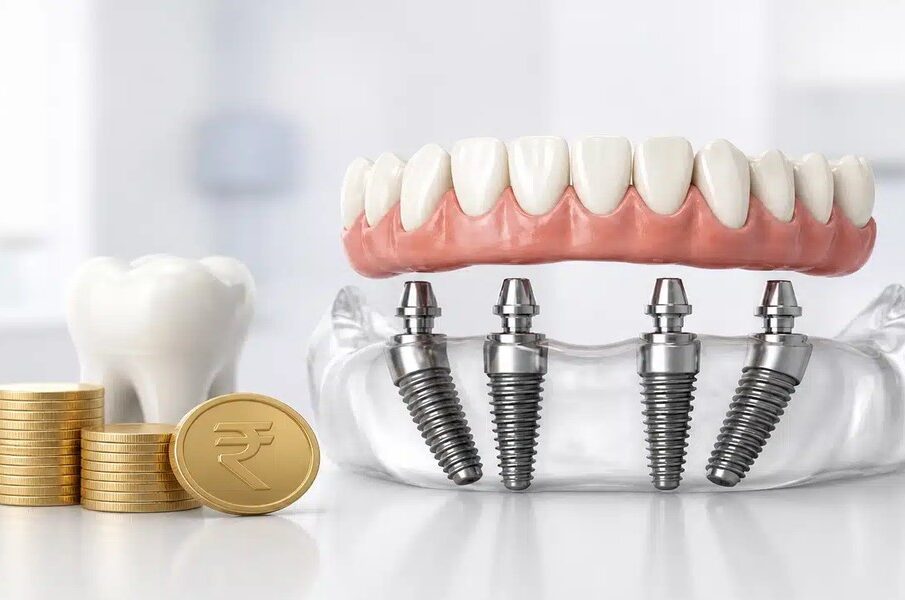
The landscape of restorative dentistry has undergone a massive shift, moving away from unstable, traditional removable dentures toward highly sophisticated, permanently fixed alternatives. For decades, patients suffering from extensive tooth loss or advanced periodontal disease faced limited choices that often compromised their chewing efficiency, altered speech, and contributed to progressive jawbone resorption. Today, state-of-the-art biological engineering and structural mechanics have paved the way for remarkable full-arch clinical alternatives. By utilising strategic engineering concepts, contemporary full-arch implant modalities completely bypass the need for extensive bone grafting, allowing individuals to regain complete oral functionality and a natural aesthetic appearance in a single day.
The Engineering Behind Modern Full-Arch Restorations
At the core of this therapeutic breakthrough is a sophisticated biomechanical configuration that maximises the use of available local bone. Rather than relying on six or eight vertically aligned dental implants, which frequently demand invasive sinus lifts or bone augmentations, this advanced approach achieves optimal stability using just four meticulously positioned fixtures per arch. Two straight implants are structurally integrated into the anterior region of the jawbone, while two additional fixtures are placed distally in the posterior region at a precise tilt of up to 45 degrees.
This specific angulation is a deliberate engineering choice designed to circumvent critical anatomical boundaries, such as the maxillary sinuses in the upper jaw and the mental foramina or inferior alveolar nerves in the lower jaw. Tilting the posterior implants dramatically shortens the distal cantilever extensions on the permanent bridge, creating a highly balanced distribution of occlusal forces. Consequently, this surgical approach allows clinicians to securely anchor longer fixtures into denser anterior bone sections, ensuring exceptional primary stability. This foundational rigidity makes immediate prosthetic loading achievable within hours of the initial surgery
The Modern Path to Lasting Oral Health
Choosing a highly engineered full-arch option provides immediate aesthetic improvements, but the true medical value lies in its long-term biological advantages. Traditional removable dentures do not stimulate the underlying alveolar bone, leading to steady bone atrophy that alters a person’s facial profile over time. In contrast, fixed full-arch systems directly transmit chewing forces deep into the jawbone. This constant stimulation kickstarts osseointegration, a natural process where living bone tissue fuses directly onto the micro-rough titanium implant surfaces.
This deep biological integration halts the progression of bone loss and preserves the natural facial dimensions. To maximize the long-term viability of these restorations, dental professionals are increasingly incorporating advanced therapeutic protocols. For example, local applications of biocompatible substances like hyaluronic acid are used to promote fast soft-tissue healing and build a resilient cellular barrier against harmful periodontal bacteria. Understanding the modern technology behind All-On-4 Plus and long-term smile stability underscores why this approach remains a highly reliable, life-changing option for achieving a permanent smile.
Digital Protocols and Material Advancements
The clinical predictability and high survival rates of modern full-arch rehabilitations are strongly reinforced by fully integrated digital workflows. The journey begins with advanced 3D Cone Beam Computed Tomography (CBCT) scanning and intraoral digital impressions, which generate high-definition virtual maps of the patient’s maxillofacial structures. Specialized computer-aided design and manufacturing software transforms these data sets into exact, three-dimensional surgical templates. These guides dictate the precise insertion pathways, angles, and depth for every single implant fixture, entirely eliminating human guesswork during the surgical phase.
Furthermore, cutting-edge diagnostic tools like photogrammetry have largely replaced old-fashioned, uncomfortable analogue impressions. This technology digitally captures the exact spatial positions of the implants with micron-level accuracy, ensuring a totally passive fit for the final bridge superstructure. The components themselves are milled from exceptionally tough, biocompatible substances like medical-grade titanium frameworks wrapped in monolithic zirconia or high-performance polymers. These advanced materials effectively mimic the natural light translucency of human enamel while demonstrating immense resistance to structural fractures, material wear, and bacterial colonization.
A New Paradigm for Long-Term Dental Wellness
The ongoing evolution of implantology reflects a broader, highly progressive shift within the worldwide dental sector. Modern clinical practices are steadily moving away from purely reactive, short-term treatments in favour of proactive, tissue-preserving strategies. By leveraging minimally invasive surgical workflows that preserve existing jaw structures, minimize overall recovery times, and dramatically lower material waste, the dental field is successfully entering a brand-new era of regenerative and sustainable dentistry. This harmonious blend of structural mechanics, advanced digital workflows, and tissue-friendly biomaterials ensures that full-arch restorations do more than just reconstruct smiles-they actively safeguard long-term systemic oral health for decades to come.


