


Do Lingual Braces Hurt More Than Traditional Braces?
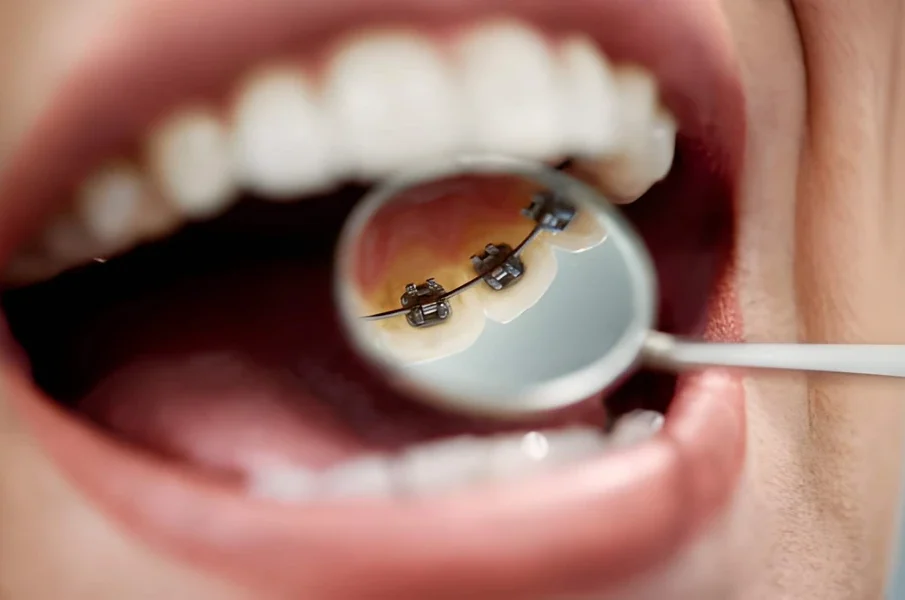
Braces are part of many people’s journey toward a healthier smile, but not all braces are the same. Traditional braces sit on the front of your teeth, while lingual braces are cleverly hidden behind them. That hidden placement sounds appealing, don’t you think so?
Still, the lingering question remains: are lingual braces actually more painful than the regular kind? Let us dive into this topic in a natural, conversational way and see what patients really experience.
The San Diego Connection
If you are exploring orthodontic options and searching for braces San Diego, you will find that Melanie Parker Orthodontics is a trusted practice in the area. Dr. Parker and her team specialize in both traditional and lingual braces, guiding patients through the ups and downs of treatment with care.
They have built a reputation for blending advanced techniques with a warm, supportive approach, making patients feel comfortable even when the process gets tricky.
Lingual vs. Traditional Braces: What Is Different?
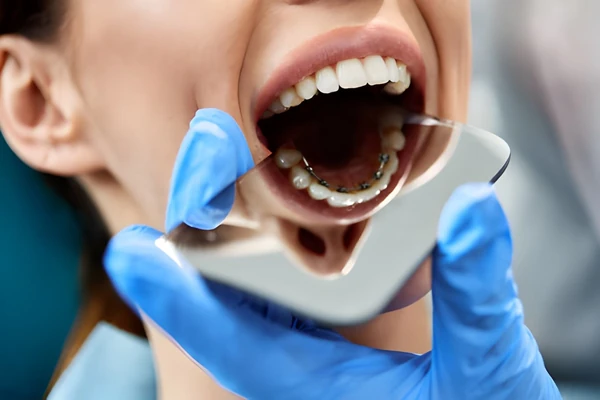
Lingual braces are placed on the inside (tongue side) of your teeth, while traditional braces sit on the outside. Both use brackets and wires to move teeth into alignment, but the placement changes how they feel.
Comfort Differences
- Tongue irritation – Lingual braces can rub against the tongue, especially in the first few weeks.
- Speech changes – Some patients notice a temporary lisp until they adjust.
- Cheek pressure – Traditional braces often cause soreness on the lips and cheeks.
- Adjustment pain – Both types bring mild discomfort after tightening appointments.
Do Lingual Braces Hurt More?
The truth is, it depends. Some people say lingual braces feel more awkward at first because the tongue constantly touches them. Others argue that traditional braces are more irritating since they rub against the lips and cheeks.
What most orthodontists agree on is this: the discomfort is temporary. Within a few weeks, your mouth adapts, and braces, whether lingual or traditional, become part of your daily routine.
Tips for Managing Discomfort
Here are a few ways patients ease the transition:
- Prefer to select softer foods, particularly during the initial few days.
- Use orthodontic wax to cover sharp edges.
- Practice speaking slowly to adjust to lingual braces.
- Stay consistent with check-ups; your orthodontist can make small tweaks to improve comfort.
Emotional Side of the Journey
It is not just about the physical discomfort. Braces, whether lingual or traditional, carry emotional weight. There is frustration when you cannot eat your favourite crunchy snack, pride when you see progress, and joy when the braces finally come off. Lingual braces add another layer: the confidence of knowing your treatment is discreet.
Final Thoughts
So, do lingual braces hurt more than traditional braces? Maybe in the beginning, but surely not for all the time. Both types bring some discomfort, but it fades as your mouth adjusts. The real difference lies in lifestyle; lingual braces are hidden, while traditional braces are visible. With the guidance of Melanie Parker Orthodontics, you can choose the option that fits your needs and still achieve the smile you have been dreaming of.


