


10 Silent Colon Cancer Symptoms Most People Miss
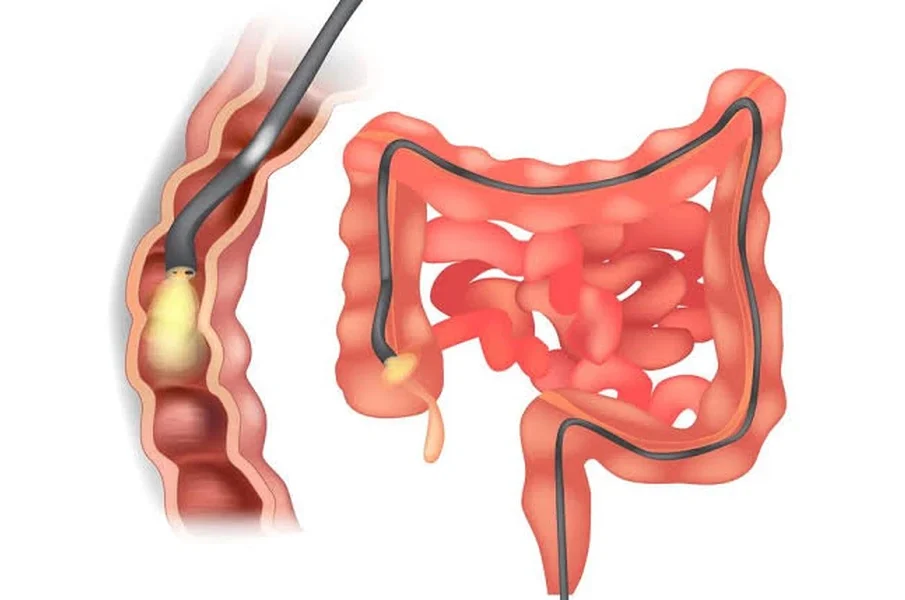
Colon cancer is one of the most common cancers affecting the digestive system, yet many people fail to recognize the warning signs in the early stages. One reason the disease can become dangerous is that symptoms often develop gradually and may appear mild or unrelated at first.
Many individuals mistake early colon cancer symptoms for stress, aging, dietary problems, or temporary digestive issues. Unfortunately, delaying medical evaluation may allow the disease to progress before treatment begins.
Understanding the subtle warning signs may help individuals seek earlier medical attention and improve the chances of successful treatment.
Why Colon Cancer Symptoms Are Often Missed
In its early stages, colon cancer may not produce dramatic symptoms.
Some people experience only minor digestive changes that come and go, while others may not notice symptoms until the disease becomes more advanced. Because many digestive problems are common, subtle warning signs are frequently ignored or self-treated without proper medical evaluation.
Recognizing persistent changes in the body is important, especially when symptoms continue for several weeks.
1. Persistent Changes in Bowel Habits
One of the most overlooked colorectal cancer symptoms involves long-term bowel habit changes.
Some individuals develop ongoing constipation, diarrhea, or alternating bowel patterns without obvious explanation. Others notice that bowel movements become more frequent or difficult over time.
While temporary digestive changes may occur with diet or infection, persistent symptoms should not be ignored.
2. Narrow or Thin Stools
Changes in stool shape may also be an early warning sign.
A growing tumor may partially narrow the colon, causing stools to appear thinner or ribbon-like. Some individuals dismiss this change because it may not initially cause pain or discomfort.
Persistent narrowing of stools should be medically evaluated, especially when accompanied by other digestive symptoms.
3. Blood in the Stool
Bleeding from the digestive tract may occur slowly and go unnoticed.
Some people notice bright red blood, while others develop darker stools due to bleeding higher in the colon. In certain cases, blood loss is microscopic and only detected through stool testing.
Because hemorrhoids are common, many individuals mistakenly assume all rectal bleeding is harmless. However, blood in the stool may be one of the more important colon cancer symptoms requiring medical evaluation.
4. Ongoing Fatigue
Persistent tiredness is another symptom many people overlook.
Slow bleeding within the colon may gradually lead to iron-deficiency anemia. As red blood cell levels decrease, individuals may feel weak, tired, dizzy, or short of breath.
Fatigue that continues despite adequate rest should not automatically be blamed on stress or aging.
5. Unexplained Weight Loss
Losing weight without changes in diet or exercise may sometimes indicate an underlying illness.
Some people with colon cancer lose weight because the disease affects appetite, digestion, or metabolism. Unintentional weight loss is often overlooked until it becomes more noticeable.
Persistent weight loss combined with digestive symptoms should always be evaluated by a healthcare professional.
6. Abdominal Pain or Cramping
Mild digestive discomfort may gradually worsen as the disease progresses.
Some individuals experience bloating, cramps, pressure, or lower abdominal discomfort that comes and goes. Because these symptoms resemble common digestive problems, they are frequently ignored.
Persistent abdominal pain should not be dismissed if it continues for several weeks.
7. Feeling That the Bowel Never Fully Empties
Some people constantly feel the urge to use the bathroom even after a bowel movement.
This sensation, called tenesmus, may occur when a tumor irritates the rectum or lower colon. The feeling may become increasingly uncomfortable over time.
Changes in bowel sensation may sometimes be linked to underlying colon disease.
8. Frequent Bloating or Excess Gas
Occasional bloating is common, but persistent bloating may require further investigation.
As tumors grow, they may interfere with normal bowel movement and gas passage. Some individuals notice increased abdominal pressure or fullness after eating.
Chronic bloating accompanied by bowel changes may be one of the more subtle colon cancer symptoms people overlook.
9. Loss of Appetite
Some individuals gradually lose interest in food without realizing it.
Digestive discomfort, inflammation, or changes in metabolism may reduce appetite over time. This symptom is often overlooked because it develops slowly.
Loss of appetite combined with fatigue or weight loss may require medical assessment.
10. Symptoms That Seem Mild but Persist
One of the biggest mistakes people make is assuming mild symptoms are unimportant.
Many early colon cancer symptoms appear manageable at first. Because they are not always severe or painful, people often delay seeking medical attention.
However, persistent symptoms lasting several weeks should never be ignored, even if they seem minor.
Conclusion
Many colon cancer symptoms develop quietly and may easily be mistaken for common digestive problems. Persistent bowel changes, fatigue, bloating, abdominal discomfort, blood in the stool, and unexplained weight loss should never be ignored.
Recognizing these subtle warning signs early may help improve the chances of timely diagnosis and successful treatment. Paying attention to long-term digestive changes and seeking medical evaluation when symptoms persist may play an important role in protecting overall health.


