


The Hidden Struggles of Healing After a Hand Fracture
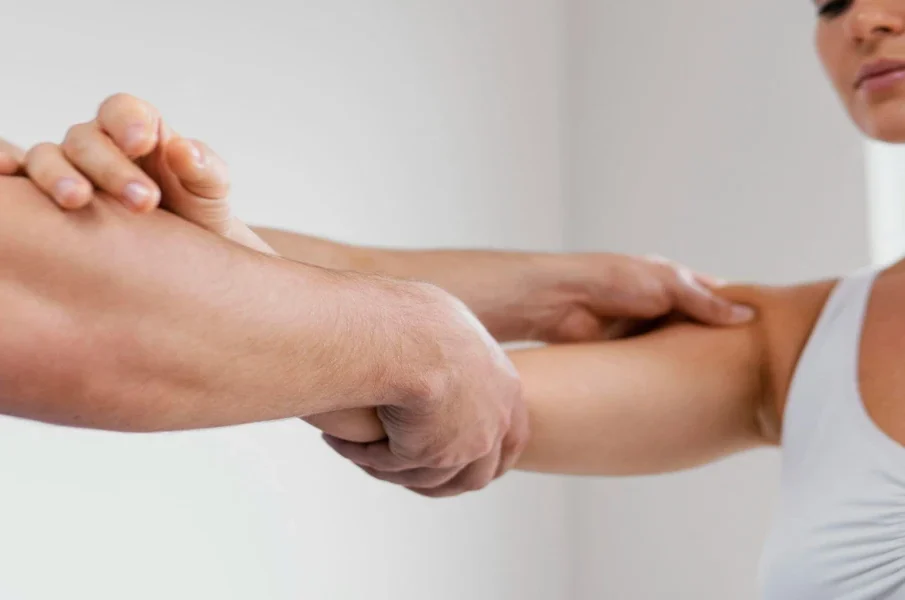
The break itself is usually the easy part to understand: a bone cracks, it’s set or stabilised, and it heals over a matter of weeks. What tends to catch people off guard is everything that happens after the cast comes off, when the bone has healed, but the hand still doesn’t quite work the way it used to, a gap that’s often where a hand surgeon in Singapore gets involved next.
Stiffness That Develops During Immobilisation
Keeping a hand immobilised during healing protects the fracture, but the joints, tendons and soft tissue around it can stiffen considerably during that same period. This stiffness often becomes more noticeable once the cast or splint is removed than the original injury was.
- Joints that were immobilised can lose range of motion, even in areas not directly affected by the fracture.
- Tendons can adhere to surrounding tissue during prolonged immobilisation, restricting smooth movement.
- Stiffness can persist well beyond the point the bone itself has finished healing.
Addressing this stiffness generally requires deliberate, guided movement rather than simply waiting for it to resolve on its own.
Loss of Fine Motor Control and Dexterity
Beyond stiffness, many people notice a decline in fine motor control after a hand fracture, affecting tasks that require precision, such as buttoning a shirt or writing. This is distinct from strength loss and can persist even after grip strength has largely recovered.
Fine motor control depends on coordinated input from multiple small muscles and nerves, and a period of disuse can affect this coordination even where no nerve damage occurred. Recovering this precision generally takes longer than recovering general strength or range of motion.
The Gap Between Bone Healing and Functional Recovery
One of the more overlooked aspects of hand fracture recovery is the gap between when a bone is considered healed on imaging and when the hand is actually functioning normally again. These two timelines are not the same, even though they are often assumed to be.
- Bone healing is typically assessed through imaging and can appear complete well before full function returns.
- Functional recovery depends on soft tissue healing, strength rebuilding and regaining coordination, which take additional time.
- Returning to full activity based on bone healing alone can risk reinjury or prolonged compensation patterns.
Understanding this gap helps set more realistic expectations for how long a full recovery actually takes.
Compensatory Strain on the Uninjured Hand
During recovery, the uninjured hand often takes on a disproportionate share of daily tasks, which can lead to its own strain or discomfort over time. This secondary effect is easy to overlook when attention is focused entirely on the injured hand.
Overuse patterns in the uninjured hand can develop gradually and sometimes persist even after the injured hand has recovered, since compensatory habits can become ingrained during the recovery period. Being mindful of this shift in daily habits can help reduce strain on the hand that wasn’t originally injured.
Psychological and Practical Impact on Daily Tasks
A hand fracture can affect far more of daily life than expected, particularly when the dominant hand is involved, and routine tasks suddenly require adaptation or assistance. This practical disruption can also carry a psychological toll, particularly during a prolonged recovery.
Frustration with slow progress, or a mismatch between expected and actual recovery timelines, is a common experience that isn’t always discussed openly during the recovery process. Recognising this as a normal part of recovery, rather than a sign that something has gone wrong, can help manage expectations during a longer rehabilitation period.
Why Structured Rehabilitation Matters
Since stiffness, fine motor loss and functional gaps don’t always resolve without deliberate intervention, structured rehabilitation is often necessary alongside the bone healing process itself. A hand surgeon can assess whether recovery is progressing as expected and identify any complications that may need to be addressed separately from the fracture itself.
Working with a hand specialist in Singapore on a structured rehabilitation plan, rather than assuming function will return automatically once the bone has healed, tends to produce a more complete recovery across strength, motion and fine dexterity.
Head to Foundation Healthcare to arrange a post-fracture rehabilitation review with our hand specialists.


