


What Everyday Activities Can Become Difficult After an AC Joint Dislocation
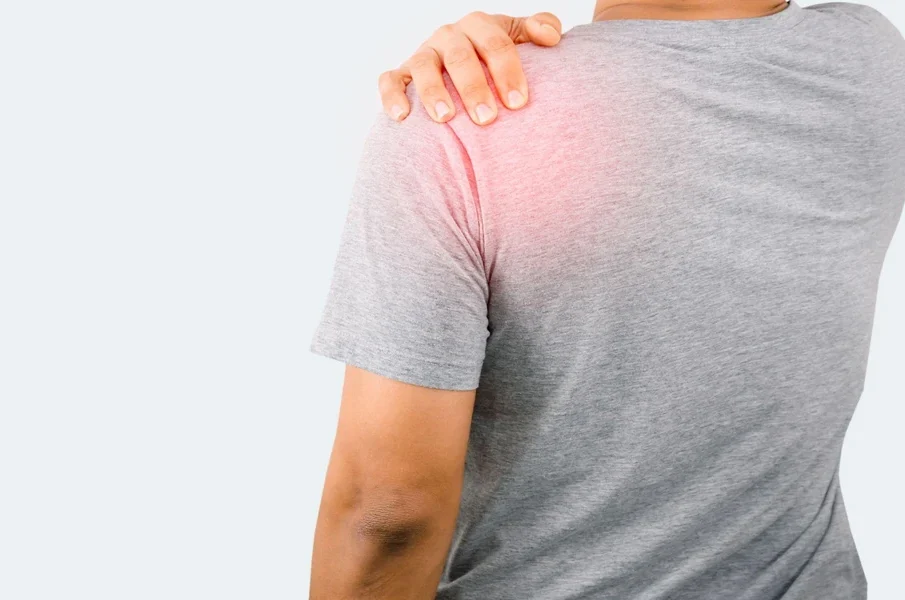
Essential Insights on Managing Shoulder Separation
- An acromioclavicular (AC) joint dislocation directly impacts the joint connecting your collarbone and shoulder blade, causing pain during simple arm movements.
- Everyday routines like getting dressed, washing your hair, and reaching overhead can become surprisingly painful and challenging.
- Heavy lifting, carrying groceries, and pushing objects often trigger sharp discomfort at the top of the shoulder.
- Conservative management or medical evaluation by a shoulder pain treatment doctor can help restore joint stability and functional strength.
Understanding How an AC Joint Dislocation Shifts Daily Life
When your shoulder works smoothly, you rarely notice how many small actions rely on it. From pulling on a shirt in the morning to lifting a kettle, fluid joint movement is easy to take for granted. However, sustaining an AC joint dislocation changes that quickly. This injury happens when the collarbone separates from the top of the shoulder blade, often due to a direct blow or a sudden fall. Suddenly, even the simplest daily habits require careful thought and effort. Understanding which routines suffer most can help you adapt safely while seeking proper care.
Why Does Dressing and Personal Hygiene Feel so Difficult?
Getting dressed seems automatic until a shoulder injury occurs. Sliding your arm into a sleeve or reaching behind your back to hook a strap demands significant joint flexibility. When the acromioclavicular joint is damaged, pulling a jumper over your head or putting on a jacket compresses the sensitive area at the top of your shoulder. This strain can lead to sharp discomfort and sudden weakness.
Personal grooming tasks present similar hurdles. Washing your hair, reaching to scrub your upper back, or brushing the back of your head requires lifting your elbow above chest level. Because the collarbone helps support the weight of your arm during high reaches, any instability in the joint makes holding your arm up tiresome and painful. Many individuals adapt by leaning forward or using their unaffected arm to support the injured side.
How Does an AC Joint Injury Affect Household Chores and Lifting?
Carrying out ordinary housework often involves pushing, pulling, or lifting items that place direct stress on the collarbone. Carrying a heavy basket of laundry or lifting bags of groceries pulls downward on the arm, straining the damaged ligaments at the top of the joint.
Here is how common household chores are directly affected:
- Lifting heavy objects: Pushing items onto high pantry shelves or lifting heavy pots off the stove triggers sharp localised pain.
- Pushing and pulling: Vacuuming, mopping, or pushing heavy doors requires front-to-back arm force that aggravates joint movement.
- Carrying bags: Carrying heavy shopping bags creates a downward traction force on the shoulder joint.
- Sleeping comfortably: Lying on the affected side compresses the joint, while sleeping on your back may leave the shoulder unsupported without proper pillowing.
Adapting your movements around the house is vital during early recovery to prevent worsening ligament strain.
Can You Still Drive and Work Safely with an AC Joint Dislocation?
Mobility outside the home often takes a hit after an AC joint dislocation. Driving a car requires two-handed control, quick steering adjustments, and the ability to reach across your body to fasten a seatbelt. Turning the steering wheel sharply or checking blind spots can cause discomfort, making driving uncomfortable or unsafe during initial healing.
At work, challenges vary depending on your daily duties. If you work a desk job, typing or using a mouse for extended periods can strain the upper back and shoulder girdle if your arm is not properly supported. Raising your arm to write on a whiteboard or reaching across a wide desk can also aggravate the injury. For manual labourers, heavy lifting, overhead reaching, and operating machinery become nearly impossible without risking further joint damage.
When Should You Seek Professional Medical Care?
Mild shoulder sprains might improve with rest, ice, and gentle movement, but noticeable deformity or persistent pain signals a more severe dislocation. If you see a prominent bump on top of your shoulder, experience weakness when lifting your arm, or feel a clicking sensation during movement, a comprehensive medical assessment is crucial.
Consulting an experienced shoulder pain treatment doctor ensures an accurate diagnosis through physical examination and diagnostic imaging. A specialist can determine the exact grade of ligament separation and recommend tailored non-surgical treatments-such as targeted physiotherapy and temporary immobilisation-or discuss surgical options if necessary. Early professional guidance helps protect joint stability and prevents long-term stiffness.
Restoring Comfort and Restoring Your Everyday Routine
Living with an AC joint dislocation can make everyday activities frustrating, but structured care helps you regain movement and confidence. Restoring full shoulder function takes time, patience, and the right treatment plan tailored to your lifestyle.
Contact Dr Bryan Tan to receive expert evaluation and personalised care for your shoulder condition.


