


Understanding Common Corneal Diseases: A Deep Dive into Eye Health
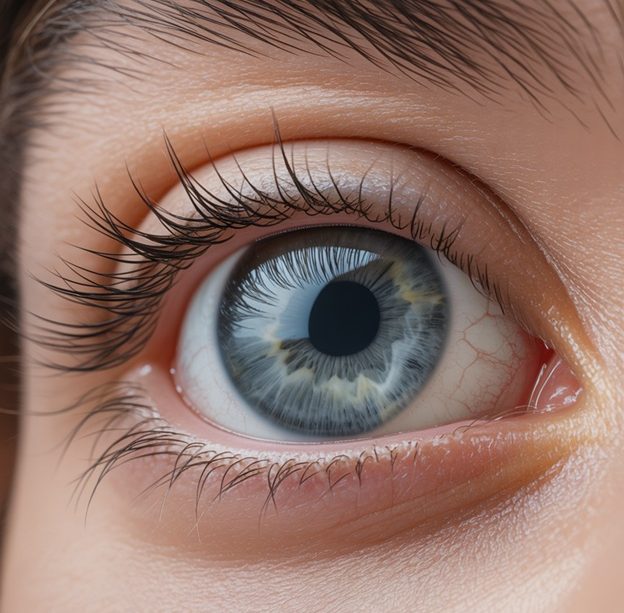
When it comes to our vision, the cornea plays a crucial role. This transparent, dome-shaped surface at the front of the eye is our first line of defense against the outside world and helps focus light onto the retina. However, various corneal diseases can affect this delicate tissue, potentially impacting our sight and quality of life. In this article, we’ll take a deep dive into common corneal conditions, their symptoms, and when it’s time to consult a specialist.
What is the Cornea and Why is it Important?
Before we dive into corneal diseases, let’s understand what the cornea actually does. Think of it as the windshield of your eye – it protects the inner parts while allowing light to pass through. It’s also responsible for about 65-75% of the eye’s focusing power. Pretty important stuff, right?
Common Corneal Diseases: The Usual Suspects
Now, let’s get into the nitty-gritty of corneal diseases. There are quite a few that can affect us, but we’ll focus on some of the most common ones.
1. Keratoconus: The Cone-Shaped Culprit
Keratoconus is a progressive eye disease where the normally round cornea thins and begins to bulge into a cone-like shape. This can cause blurred vision, sensitivity to light, and even vision loss if left untreated.
Symptoms to watch out for:
- Blurred or distorted vision
- Increased sensitivity to light and glare
- Frequent changes in eyeglass prescription
- Difficulty seeing at night
2. Corneal Dystrophies: The Genetic Jokers
Corneal dystrophies are a group of genetic eye disorders that cause material to build up in the cornea. There are many types, but they all share some common traits:
- They’re usually inherited
- They affect both eyes
- They progress slowly
- They don’t have any relation to environmental or lifestyle factors
Symptoms vary depending on the type of dystrophy but can include:
- Blurred vision
- Eye pain or discomfort
- Sensitivity to light
3. Dry Eye Syndrome: The Tear Jerker
While not strictly a corneal disease, dry eye syndrome can significantly impact corneal health. It occurs when your eyes don’t produce enough tears or when the tears evaporate too quickly.
Look out for:
- A stinging or burning sensation in your eyes
- Stringy mucus in or around your eyes
- Sensitivity to light
- Eye redness
- A feeling of having something in your eyes
4. Corneal Infections: The Uninvited Guests
Bacterial, viral, or fungal infections can all affect the cornea. One of the most common is keratitis, which is an inflammation of the cornea.
Symptoms include:
- Eye pain
- Redness
- Blurred vision
- Discharge from the eye
When Should You See a Specialist?
Now, here’s the million-dollar question: when should you book an appointment with an eye doctor? As a general rule, if you experience any of these symptoms, it’s time to see a specialist:
- Sudden changes in vision
- Persistent eye pain or discomfort
- Redness that doesn’t go away
- Sensitivity to light that impacts your daily activities
- Any trauma or injury to the eye
Remember, early detection is key in managing corneal diseases. Regular eye check-ups can catch issues before they become serious problems.
Treatment Options: There’s Hope!
The good news is that many corneal conditions are treatable. Depending on the specific disease and its severity, treatments can range from eye drops and medications to more advanced procedures like corneal transplants.
At JL Eye Specialists, we offer a range of treatments for corneal conditions, including advanced surgical options. Our team of experienced ophthalmologists specializes in corneal health and can provide personalized care tailored to your specific needs.
Protecting Your Corneal Health: An Ounce of Prevention
While some corneal diseases are genetic and can’t be prevented, there are steps you can take to maintain good corneal health:
- Wear protective eyewear during sports or when working with potentially hazardous materials
- If you wear contact lenses, follow proper hygiene and care instructions
- Eat a balanced diet rich in vitamins A and C
- Don’t smoke
- Use artificial tears if you experience dry eyes
- Get regular eye check-ups
Conclusion: Keep an Eye on Your Eye Health
Corneal diseases can significantly impact our vision and quality of life, but with early detection and proper treatment, many of these conditions can be managed effectively. By understanding the symptoms and knowing when to seek help, you’re taking an important step in protecting your eye health.
Remember, your eyes are unique, and so are your eye care needs. If you’re concerned about your corneal health or experiencing any unusual symptoms, don’t hesitate to reach out to a specialist. At JL Eye Specialists, we’re here to help you see clearly and live life to the fullest.
Keep your eyes on the prize of good health, and don’t let corneal diseases cloud your vision of a bright future!


