From Plaque to Polished: How Scaling and Root Planing Improve Oral Hygiene
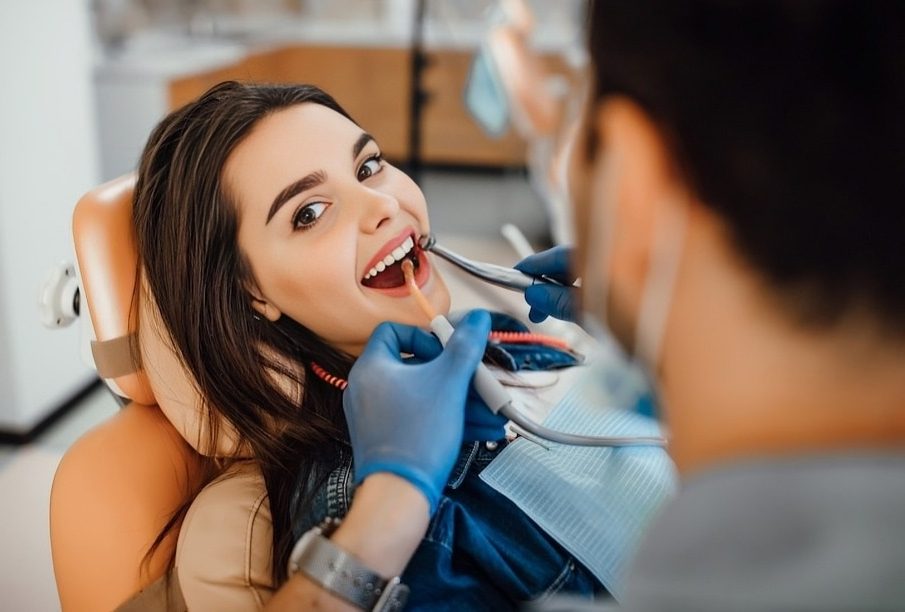
Maintaining optimal oral hygiene is crucial for overall health, yet persistent plaque buildup can lead to serious complications like gingivitis and periodontitis. When regular brushing and flossing prove insufficient, professional intervention becomes necessary. This is where scaling and root planing (SRP), advanced cleaning techniques, play a vital role in restoring oral health and preventing further damage. These procedures are particularly effective in treating gum disease and significantly improving oral hygiene.
Understanding the Procedures: Scaling and Root Planing
Scaling involves the meticulous removal of plaque and tartar (calculus) that have accumulated above and below the gum line. Tartar, a hardened form of plaque, is particularly difficult to remove with at-home methods. Dental hygienists utilize specialized instruments, including ultrasonic scalers and hand instruments, to thoroughly clean the tooth surfaces. This process not only eliminates the immediate source of irritation but also creates a smoother surface, making it harder for plaque to reattach.
Root planing follows scaling and focuses on the root surfaces of the teeth. During this procedure, the dentist in Grants Pass or hygienist smooths the rough areas of the tooth roots that have been exposed due to gum recession. These rough areas can harbor bacteria, contributing to persistent inflammation and gum disease. By smoothing the root surfaces, root planing helps to reduce bacterial colonization and promote gum tissue reattachment. The combination of scaling and root planing aims to eliminate the underlying causes of gum disease, creating a healthier environment for the gums to heal.
Advanced Cleaning Techniques Beyond SRP
While scaling and root planing are cornerstone treatments for gum disease, additional advanced cleaning techniques may be employed depending on the severity of the condition and individual patient needs. These can include:
Air polishing: A less invasive method utilizing a fine stream of air, water, and sodium bicarbonate to remove surface stains and plaque. It’s gentler than traditional scaling and is often used for patients with sensitive teeth or those who are prone to bleeding gums.
Laser therapy: Lasers can assist in removing plaque and bacteria, stimulating tissue regeneration, and reducing inflammation.
Antibiotic therapy: In severe cases, systemic or local antibiotics may be prescribed to combat infection and promote healing. This is often used in conjunction with SRP to maximize the effectiveness of the treatment.
The Benefits of Improved Oral Hygiene after SRP
Following scaling and root planing, patients experience noticeable improvements in their oral hygiene. Gum inflammation reduces significantly, bleeding gums become less frequent, and pockets between the teeth and gums decrease in depth. This leads to a healthier gum line, stronger teeth, and a reduced risk of tooth loss. Furthermore, improved oral hygiene translates to a significant reduction in bad breath (halitosis).
Maintaining Long-Term Oral Health
While SRP offers a powerful solution for addressing plaque buildup and gum disease, the long-term success depends significantly on diligent at-home oral hygiene practices. This includes thorough brushing twice a day with fluoride toothpaste, flossing daily, and using an antimicrobial mouthwash as recommended by the dentist. Regular dental checkups and professional cleanings are also vital in maintaining the gains achieved through SRP and preventing future problems.