5 Sciatica Treatment Considerations Before Your Appointment
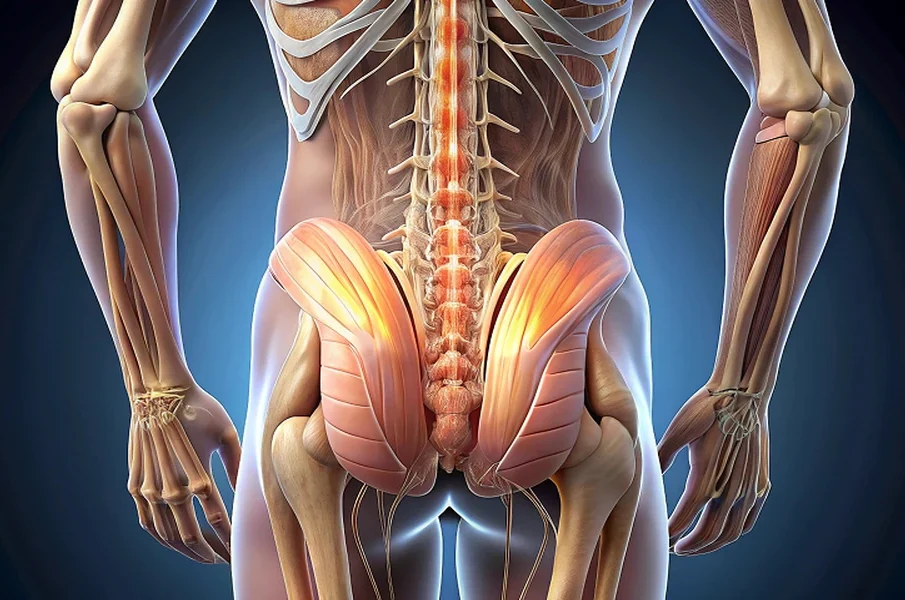
Sciatica describes lower back and leg pain associated with the irritation, inflammation, or compression of the sciatic nerve and its contributing nerve roots. As the longest and widest single nerve in the human body, the sciatic nerve extends from the lumbar spine through the buttocks and down each leg. Symptoms can manifest along any point of this path, ranging from a dull, persistent ache in the lower back to sharp, burning sensations that travel down to the calf or toes. In addition to localized or radiating discomfort, individuals may experience sensory alterations such as numbness, tingling, or localized muscular weakness.
People searching for sciatica treatment in Singapore may be experiencing anything from a sudden, acute episode following physical exertion to persistent, ongoing symptoms that significantly hamper daily activities, work productivity, and mobility. Because clinical management depends entirely on the underlying root cause, such as a herniated disc, spinal stenosis, or muscle entrapment, an initial consultation should focus on identifying the specific anatomical source rather than opting for a generic remedy based on the label alone.
Taking the time to organize key details about your health history and symptom behavior prior to your medical appointment ensures a far more thorough and efficient discussion. Providing clear information allows your specialist to structure a tailored assessment and evaluate how your condition affects your routine movement.
1. Record Where the Pain Travels
Before your appointment, make a precise note of where the pain originates and the exact pathways along which it travels down the lower limb. Sciatic discomfort frequently radiates from the lower lumbar region through the buttock, extending further into the posterior thigh, outer calf, or bottom of the foot.
Document whether your discomfort is constant throughout the day or fluctuates with specific postures and physical activities. For example, observe whether sitting, standing, walking, or bending forward worsens or alleviates the pain. Sharing these functional patterns provides valuable clues regarding nerve root compression and spinal biomechanics.
Do not worry about using formal medical terminology when summarizing your experience. Plainly describing the exact sensations you feel, the precise locations involved, and any physical limitations you encounter is typically more helpful to a clinician during an initial diagnostic consultation.
2. Note Numbness, Tingling or Weakness
Pain is not the only indicator of nerve impairment worth noting. Be sure to inform your doctor if you experience accompanying sensory symptoms such as persistent numbness, pins and needles, or loss of strength anywhere in the lower back, leg, ankle, or toes.
Lumbar radiculopathy can involve varying degrees of pain, sensory deficits, altered reflexes, and localized muscle weakness, depending on which specific nerve root is compressed or inflamed within the spine.
Progressive motor weakness, such as difficulty lifting the front of your foot or instability while walking, warrants prompt attention. Established clinical guidelines recognize progressive neurological deficits and sudden bowel or bladder dysfunction as critical indicators requiring urgent medical evaluation rather than standard self-care.
3. Consider How Long Symptoms Have Lasted
The timeframe and progression of your symptoms heavily influence clinical diagnostic planning and management strategies. Record precisely when the discomfort first appeared, whether the onset was sudden or gradual, and if the pain has improved, escalated, or remained static over time.
It is equally useful to log daily triggers and positions of ease. Detailing how routine movements such as prolonged sitting, lifting items, sleeping, or driving impact your comfort helps refine the assessment of your condition.
Constructing a detailed timeline enables your specialist to differentiate an acute self-limiting strain from a chronic structural issue, helping guide decisions regarding advanced imaging or specialized therapies.
4. Bring Details of Previous Treatment
If you have previously attempted conservative care such as prescribed anti-inflammatory medication, targeted physiotherapy, spinal adjustments, or specialized exercise regimens, detail these experiences and record how your body responded to each intervention.
A lack of relief from past therapies does not mean your condition cannot be managed effectively. Pathological changes can evolve, and updated diagnostic tools may uncover factors that require a revised treatment pathway.
When exploring options for sciatica treatment in Singapore, presenting a clear record of past care prevents unnecessary duplication and assists your specialist in determining appropriate next steps.
5. Ask What Assessment Is Needed
Diagnostic requirements vary considerably based on individual presentation. Inquire about the structural issues suspected of driving your symptoms and discuss why specific diagnostic steps, such as an MRI scan or X-ray, may be recommended.
Additionally, ask your healthcare provider which specific symptoms or red flags should prompt immediate medical reassessment. Understanding what to look out for ensures you can seek timely clinical advice if your condition changes unexpectedly.
Appointment Preparation
To ensure a focused conversation when evaluating sciatica treatment in Singapore, review the following key summary checklist before your appointment:
- When the symptoms started
- Where the pain travels
- Any numbness or tingling
- Any weakness
- Activities that affect symptoms
- Previous treatment
- Current medication
- Relevant medical conditions
- Questions about recovery and follow-up
Organising this information beforehand ensures your consultation remains efficient, targeted, and focused on finding an appropriate management plan.
Thoroughly preparing for a sciatica consultation does not require self-diagnosis. Instead, focus on gathering accurate details about your symptom history, tracking their duration, and assessing how they influence your daily mobility. Outlining any neurological symptoms and summarizing past care provides important background when discussing sciatica treatment in Singapore. A medical specialist can evaluate these insights, perform a comprehensive physical assessment, and recommend a targeted management strategy.
Contact Achieve Spine & Orthopaedic Centre to discuss persistent or concerning symptoms and arrange a comprehensive, professional spinal assessment today.