


Understanding the CRP Test and Its Role in Detecting Inflammation
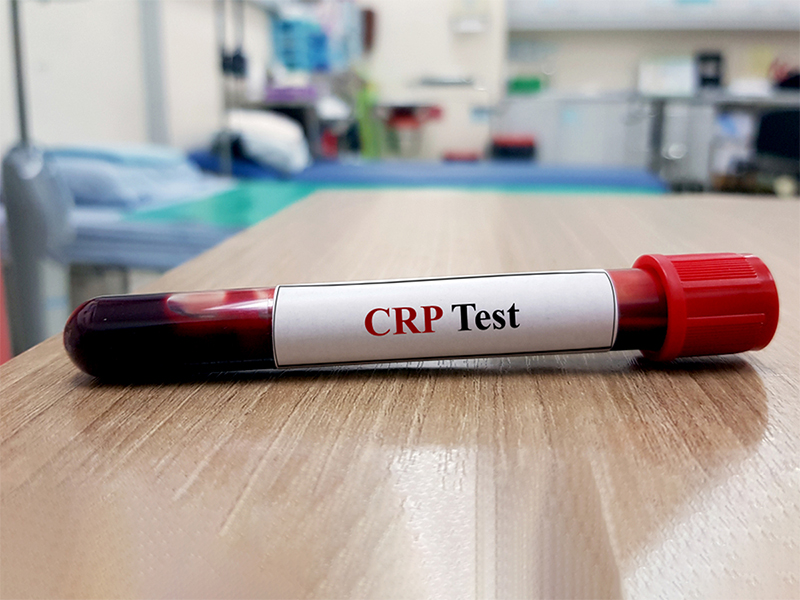
A C-reactive protein (CRP) test is a blood test that measures the levels of CRP protein in the blood. The liver releases CRP into the bloodsteam soon after inflammation or infection affects the body. During inflamattion, white blood cells produce these proteins. CRP is technically known as a positive acute phase reactant, which provides information to doctors regarding the presence of the inflammation and its severity. However, the CRP test do not tell where the inflammation is and what is causing it.
Purpose of the test
This test helps the doctors identifying certain conditios, such as:
Infection: This test may be suggested if an individual exhibits symptoms such as nausea, fever, vomiting, chills, redness or swelling, rash or hives, rapid breathing, or a rapid heart rate. However, some individuals may have few or no symptoms, notably in the early stages of heart disease.
Inflammation: It helps evaluate inflammation in both acute and chronic conditions, and is used to monitor flare-ups of inflammatory diseases like rheumatoid arthritis, lupus, or vasculitis.
Sepsis treatment: This test is a sensitive marker in patients with sepsis, a serious medical condition that happens caused by an extreme response to infection.
Monitor autoimmune diseases: Inflammation can occur due to conditions like infections or autoimmune disorders like rheumatoid arthritis or inflammatory bowel disease.
Assess the effectiveness of anti-inflammatory medicine: This test may be ordered to find out if anti-inflammatory medications are effectively treating a condition or disease.
To know CRP test price, do an online search to know the best offers.
Preparation
No special preparations are required for this test. However, some guidelines may be provided to ensure the acuracy of the test results. Since some medications may affect the test results, you may need to ask your doctor about necessary adjustments.
Guidelines for the test:
No fasting is required, so you can eat and drink normally before the test. If you are following a specific dietary regimen, follow the instructions given by your healthcare provider.
Inform your healthcare provider if you are taking any prescribed or non-prescribed medicines, including Ayurvedic medicines.
Ensure you get proper sleep before the test so as to avoid hormonal imbalances that may affect the test results.
Benefits
It provides numerous benefits, such as:
Early detection: It helps in the early detection of infection, even before the symptoms start to appear.
Monitor treatment response: It evluates if your body is responding effectively to the treatment or if any adjustments to the dosage are required.
Assess disease activity: Fluctuations in CRP levels help doctors understand whether the condition is under control or if active inflammation is present in the body.
Guide treatment decision: The test results help doctors make informed treatment decisions based on the CRP levels.
Disclaimer: This article is for informational purposes only and should not be used as a substitute for professional medical advice. Always consult a qualified healthcare provider for diagnosis, treatment, and interpretation of test results.


