


The Science Behind Teeth Whitening
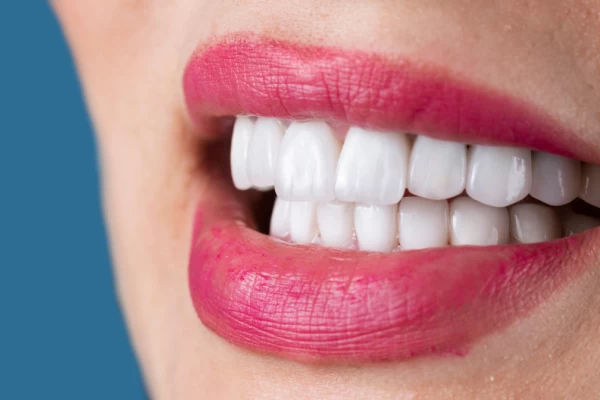
Teeth whitening is one of the most popular cosmetic dental treatments, yet many people are unsure how it actually works. While whitening is often described in simple terms as “removing stains,” the underlying science is more precise and far more interesting. Understanding how whitening agents interact with tooth structure helps explain why professional treatments are effective, why results vary, and why safety matters.
Teeth are not naturally bright white. The outer layer, enamel, is translucent, and the colour of teeth is strongly influenced by the dentine beneath it. Dentine is naturally yellowish, and as enamel thins with age, this underlying colour becomes more visible. On top of this natural shading, teeth accumulate external stains from substances such as coffee, tea, red wine, tobacco, and certain foods. Teeth whitening addresses both surface staining and internal discolouration.
The active ingredients in most whitening systems are hydrogen peroxide or carbamide peroxide. Carbamide peroxide breaks down into hydrogen peroxide, which is the key whitening agent. These molecules are small enough to penetrate the enamel and reach the dentine. Once inside the tooth, peroxide releases oxygen free radicals that break down complex, dark-coloured molecules known as chromogens. By altering their chemical structure, these chromogens become lighter and less visible, making the tooth appear whiter.
This process is chemical, not abrasive. Contrary to common belief, effective whitening does not involve scrubbing or sanding the tooth surface. In fact, excessive abrasion from some whitening toothpastes can wear enamel without significantly changing tooth colour. True whitening occurs within the tooth, which is why peroxide-based systems are central to both in-chair and take-home professional treatments.
The concentration of peroxide and the duration of exposure are critical factors. In-chair whitening uses higher concentrations under controlled conditions, allowing for faster and more dramatic results. Take-home systems prescribed by dentists use lower concentrations applied over longer periods, enhanced by a special light or laser to enhance the bleaching aspects of teeth whitening which helps in achieving gradual but reliable whitening. Over-the-counter products vary widely in effectiveness, often containing lower active concentrations or inconsistent delivery methods.
Sensitivity is a common side effect of whitening and has a scientific basis. Peroxide temporarily increases the permeability of enamel, allowing fluid movement within the dentinal tubules. This fluid shift can stimulate nerves inside the tooth, leading to short, sharp sensitivity. Reputable whitening systems are designed to minimise this effect, often incorporating desensitising agents such as potassium nitrate or fluoride.
Not all discolouration responds equally to whitening. In 2026 the science of smile longevity is a new catchphrase which creates room for further scientific input.. Yellow-toned teeth tend to whiten more predictably than grey or brown hues. Discolouration caused by trauma, certain medications, or developmental conditions may require alternative or additional cosmetic solutions. Importantly, whitening does not change the colour of fillings, crowns, or veneers, which is why professional assessment is essential before treatment.
The science behind teeth whitening explains both its effectiveness and its limitations. When used appropriately, peroxide-based whitening is a safe, evidence-backed way to enhance a smile. Guided by dental professionals, whitening treatments harness controlled chemistry to deliver brighter teeth while protecting long-term oral health.


