


Body Scrub for Ingrown Hairs and Bumpy Skin
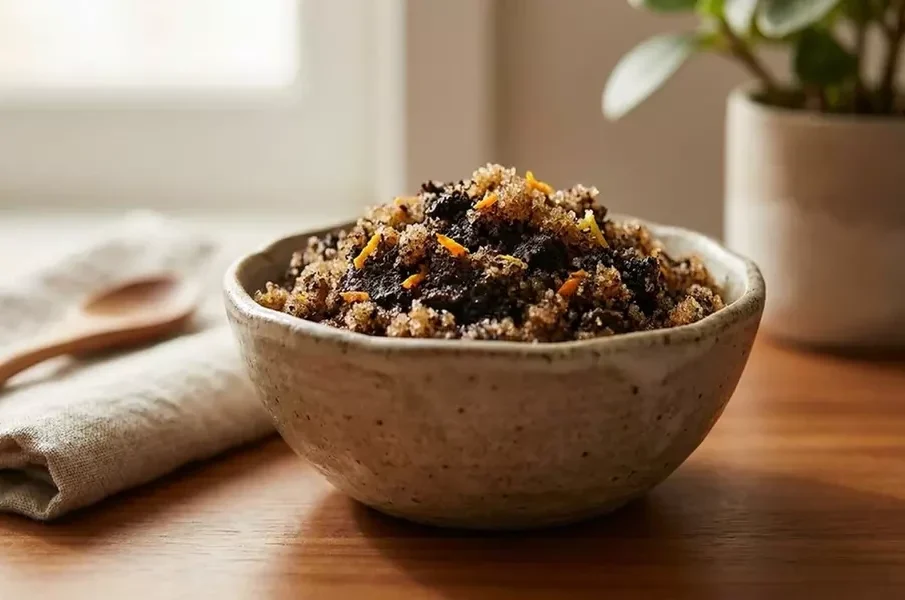
Many people have experienced itchy red bumps, painful ingrown hairs and rough or strawberry skin after shaving or waxing skin hairs. It is very frustrating to deal with, but you don’t need a multi-step procedure to avoid this from happening. A proper exfoliation is a great way to prevent your skin from these pitfalls.
Shaving, waxing and accumulation of dead skin cells on the skin surface can all contribute to uneven looking skin and rough texture. Sometimes this even results in keratosis pilaris which is a skin condition where buildup of keratin occurs on the skin which results in rough, sandpaper like bumps and dryness.
A scrub can help in removing these buildup of impurities from the skin and prevent these from happening.
That’s why in this guide we shall discuss briefly about how these ingrown hairs and tiny bumps happen, Ingredients to look for in a scrub, body scrub mistakes you should avoid and when to see a doctor will help you to pick the right body scrub which will help in removing surface impurities and preventing your skin from these tiny bumps and ingrown hairs.
Why do ingrown hairs and body bumps happen?
Ingrown hair happens when the hair follicles are blocked due to which the hair starts growing inside the skin instead of its natural path to grow outside. This irritates the skin which ultimately results in small bumps, irritation and redness.
Body bumps can be caused by several factors. Shaving and waxing sometimes irritate the hair follicles, while the buildup of dead skin cells surrounds around the hair follicles which block the natural hair path. One skin condition keratosis pilaris is also a main cause of rough and bumpy skin. As keratin buildup totally blocks the hair follicles and creates body bumps.
Can a body scrub help with ingrown hairs?
Yes, gentle exfoliation is a solid option which helps particularly removing the accumulated dead skin cells from the skin surface.
A body scrub is physical exfoliation that contains exfoliating particles which gently exfoliate the skin surface and assist in removing the dead skin cells from the surface and preventing body bumps. But you should not over exfoliate the skin.
Many people think that overusing the scrub means better results which is totally incorrect as it weakens the skin’s protective barrier and makes the skin more vulnerable. That’s why experts suggest 1 or 2 times is best to remove the skin impurities and avoid any skin damage.
What ingredients should you look for?
Not every ingredient is suitable or effective for skin, that’s why these are some ingredients which are gentle and trusted by experts for providing exfoliation:
Salicylic Acid
It is a beta-hydroxy acid which is well known for its penetrating properties. It is oil soluble which allows it to penetrate deeper into the oil-filled pores and remove the trapped materials and excess oil from the skin. It is the best pick for people having oily or acne prone skin and are struggling with strawberry skin.
Lactic Acid
It is another ingredient which is commonly used by people. It is alpha-hydroxy acid and is used in the cosmetic industry due to its gentle property. It is gentle than other ingredients and assists in removing the dead skin cells from the outer skin surface and gives a more even tone texture. It is an excellent choice for people having dry or sensitive skin.
Glycolic Acid
People who are concerned about small bumps and dull looking skin then a glycolic acid body scrub is a solid pick for them. It is also an alpha-hydroxy acid which helps in loosening the bonds of dead skin cells that assists in shedding of dead skin cells which reveals a fresh and glowing skin.
Ultra-Fine, Gentle Particles
Some people do like to use a physical scrub, so that’s why they should look for ultra-fine or dusty exfoliating particles as these will softly glide over the skin and assist in clearing out the dead skin cells and other surface contaminants without causing any micro tears.
However people with sensitive skin should avoid a physical exfoliant as their skin is already weakened and should use a chemical exfoliation for preventing these body bumps.
Common Body Scrubbing Mistakes to Avoid
Proper technique matters while body scrubbing as bad scrubbing habits can totally damage the skin barrier. That’s why you should avoid these common mistakes while body scrubbing:
- Many people started scrubbing the exfoliating particles on the dry skin which leads to harsh friction, and micro tears on the skin.
- Using a scrub daily can totally strip out the skin’s natural oil and also damages the skin barrier which results in dryness or irritated skin.
- Applying too much stress while scrubbing the skin will not help in clearing the bumps faster instead it irritates the bumps which results in pain and redness.
- Skipping moisturizer after scrubbing the skin is a big mistake as exfoliation strips skin oil and neglecting moisturizer can cause intense dry or flaky skin.
When should you see a dermatologist?
Sometimes the bumps appearing on the skin are not caused by ingrown hair or keratosis pilaris.
That’s why if you notice that the bumps are painful, pus-filled and inflamed bumps which also leave scars on the skin, then consulting with a professional is best. Sometimes these bumps are caused by conditions such as folliculitis or eczema which show similar signs like keratosis pilaris.
Final Thoughts
Body scrub is an excellent choice for preventing ingrown hairs and body bumps as these small bumps are caused by accumulated dead skin cells which block the hair path and hair starts growing inside the skin.
However you don’t need a scrub which contains harsh ingredients or sharp edged, jagged exfoliating particles. That’s why having knowledge about how scrub helps with ingrown hair, ingredients you should look at will help you to pick the right body scrub for preventing these small bumps.
Knowing when to consult your doctor prevents you from severe skin related problems as sometimes these bumps are not caused by ingrown hairs, but it is the result of skin conditions like folliculitis.


