


24/7 Emergency Response: Navigating Appendicitis Protocols in Top Hospitals in UAE Dubai
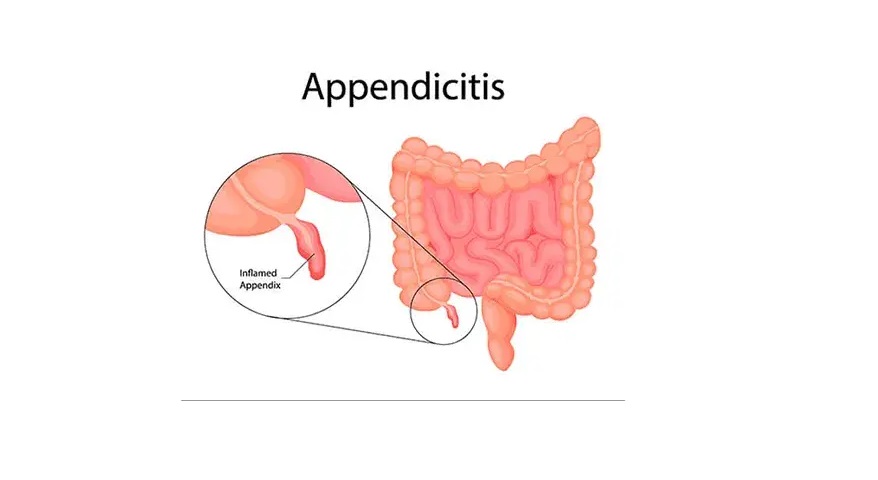
Appendicitis is one of the most common surgical emergencies worldwide, characterized by a rapid onset that leaves little room for delay. In a global healthcare hub like Dubai, the approach to this condition is defined by speed, advanced diagnostics, and a commitment to minimally invasive techniques. For residents and international patients alike, the hospitals in UAE Dubai have established gold-standard emergency protocols designed to move a patient from the “triage desk” to the “operating theater” within the critical window required to prevent complications.
Understanding the 24/7 emergency response framework is essential for anyone experiencing the sudden, sharp abdominal pain associated with appendicitis. Here is a detailed look at how the best facilities in the region manage this time-sensitive journey.
Phase 1: Rapid Triage and Clinical Assessment
The emergency department (ED) in a top-tier hospital in Dubai operates under a “high-acuity” triage system. Because appendicitis can lead to a rupture—causing a life-threatening infection known as peritonitis—suspected cases are prioritized.
-
Immediate Assessment: Upon arrival, a triage nurse evaluates vital signs and the nature of the pain. The hallmark sign of appendicitis is pain that begins near the navel and migrates to the lower right quadrant.
-
The Physical Exam: A general surgeon or emergency specialist will perform specific maneuvers to check for “rebound tenderness” or “guarding” (involuntary tensing of the abdominal muscles).
-
Specialized Protocols: Many hospitals in UAE Dubai use standardized scoring systems (like the Alvarado Score) to quickly categorize the likelihood of appendicitis, ensuring that high-risk patients are fast-tracked to imaging.
Phase 2: On-Site Advanced Diagnostics
A definitive diagnosis is the cornerstone of effective emergency response. The leading hospitals in UAE Dubai are equipped with 24/7 on-site radiology departments, ensuring that diagnostic imaging is performed and interpreted by consultant radiologists within minutes of the patient’s arrival.
Key Diagnostic Tools:
-
Laboratory Analysis: A blood test is immediately conducted to check for an elevated White Blood Cell (WBC) count, a primary biological marker of infection. A urinalysis is also performed to rule out kidney stones or urinary tract infections (UTIs) which can mimic appendicitis symptoms.
-
Abdominal Ultrasound: Often the first line of imaging, especially for children and pregnant women, as it provides a real-time view of the appendix without radiation exposure.
-
Contrast-Enhanced CT Scan: For adults, a CT scan is the gold standard in Dubai’s leading facilities. It provides high-resolution 3D images that not only confirm appendicitis but also identify if the appendix has already formed an abscess or ruptured, allowing the surgeon to plan the most effective intervention.
Phase 3: The Surgical Protocol – Laparoscopic Excellence
Once appendicitis is confirmed, the patient is prepared for an appendectomy (surgical removal of the appendix). In the top hospitals in UAE Dubai, the standard of care is the Laparoscopic Appendectomy, a minimally invasive “keyhole” surgery.
Why Laparoscopy is Preferred:
-
Precision: Using a high-definition camera (laparoscope), surgeons can view the entire abdominal cavity with extreme clarity.
-
Minimal Trauma: The procedure is performed through three tiny incisions (usually 0.5 cm to 1 cm), which significantly reduces post-operative pain and the risk of wound infection.
-
Rapid Recovery: Most patients in Dubai are able to walk within hours of the procedure and are often discharged within 24 to 48 hours.
Management of Complicated Cases:
If the appendix has ruptured, the protocol shifts to include a thorough “peritoneal washout” to remove infectious material. In these cases, the surgeon may transition to an open appendectomy to ensure the safety and complete cleaning of the abdominal cavity.
Phase 4: Integrated Post-Operative Recovery
The response doesn’t end when the surgery is over. The “Integrated Care Model” adopted by premier hospitals in UAE Dubai focuses on a seamless transition from the recovery room to home.
-
Pain Management: Modern protocols utilize multi-modal analgesia, minimizing the use of heavy narcotics and focusing on localized pain relief to encourage early mobilization.
-
Antibiotic Therapy: Patients receive intravenous antibiotics immediately before surgery. For uncomplicated cases, these are often discontinued shortly after. For ruptured cases, a customized course of post-operative antibiotics is initiated to ensure the infection is fully eradicated.
-
Follow-up Coordination: Before discharge, patients are provided with a digital recovery plan. Dubai’s advanced health-tech infrastructure often allows for follow-up consultations via tele-health, ensuring that international patients or busy residents can have their recovery monitored remotely.
Why Choose Hospitals in UAE Dubai for Emergency Care?
Dubai’s healthcare sector is governed by the Dubai Health Authority (DHA) and many facilities hold Joint Commission International (JCI) accreditation. This ensures that:
-
International Standards: Surgical protocols are aligned with the best practices found in the US and Europe.
-
Consultant-Led Care: Emergency departments are staffed by board-certified consultants who specialize in acute abdominal surgery.
-
Transparent Outcomes: Accredited hospitals are required to track and report clinical outcomes, ensuring a high level of accountability and patient safety.
|
Feature |
Standard Hospital Protocol |
Top Dubai Hospital Protocol |
|
Triage Time |
Variable |
Fast-tracked for abdominal pain |
|
Imaging Availability |
On-call / Day shift |
24/7 On-site (CT/US) |
|
Surgical Approach |
Open or Laparoscopic |
Laparoscopic (Gold Standard) |
|
Recovery Focus |
Standard ward care |
Integrated, early-mobilization focus |
Summary
For those facing the sudden crisis of appendicitis, the hospitals in UAE Dubai provide a sophisticated safety net. By combining rapid triage, high-resolution imaging, and minimally invasive surgical expertise, these facilities ensure that what used to be a frightening emergency is now managed with the highest level of clinical precision and patient comfort.


